

Report from the BALANCE ANSP HR Summit, Part 2
As air traffic controllers manage increasingly complex and intensive traffic, the profession must also address labour shortages and the challenges of training the next generation of ATCOs. The solution lies partly in broader and more diverse recruitment efforts, and partly in data-driven HR decision-making and workforce planning. These were among the key themes discussed on the second day of the BALANCE ANSP HR Summit hosted by HungaroControl.
What Makes Air Traffic Control an Attractive Career?
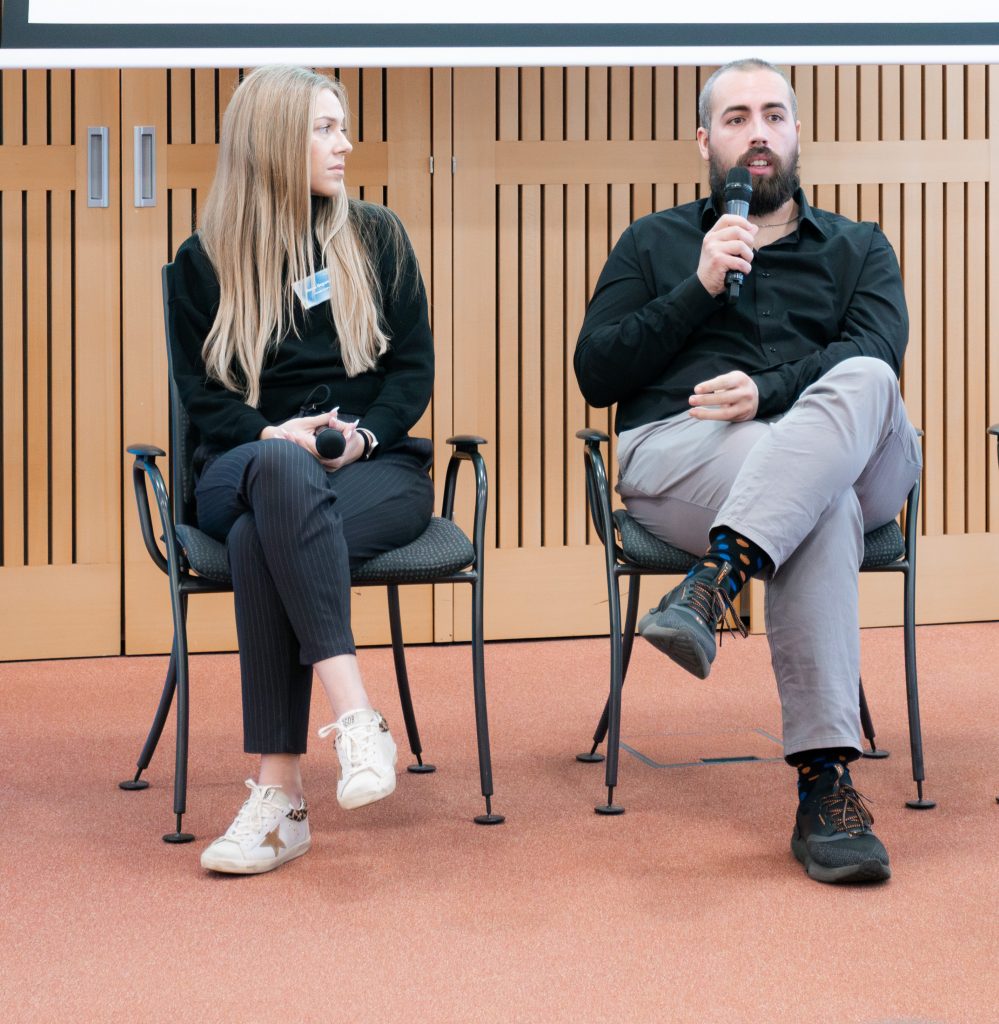
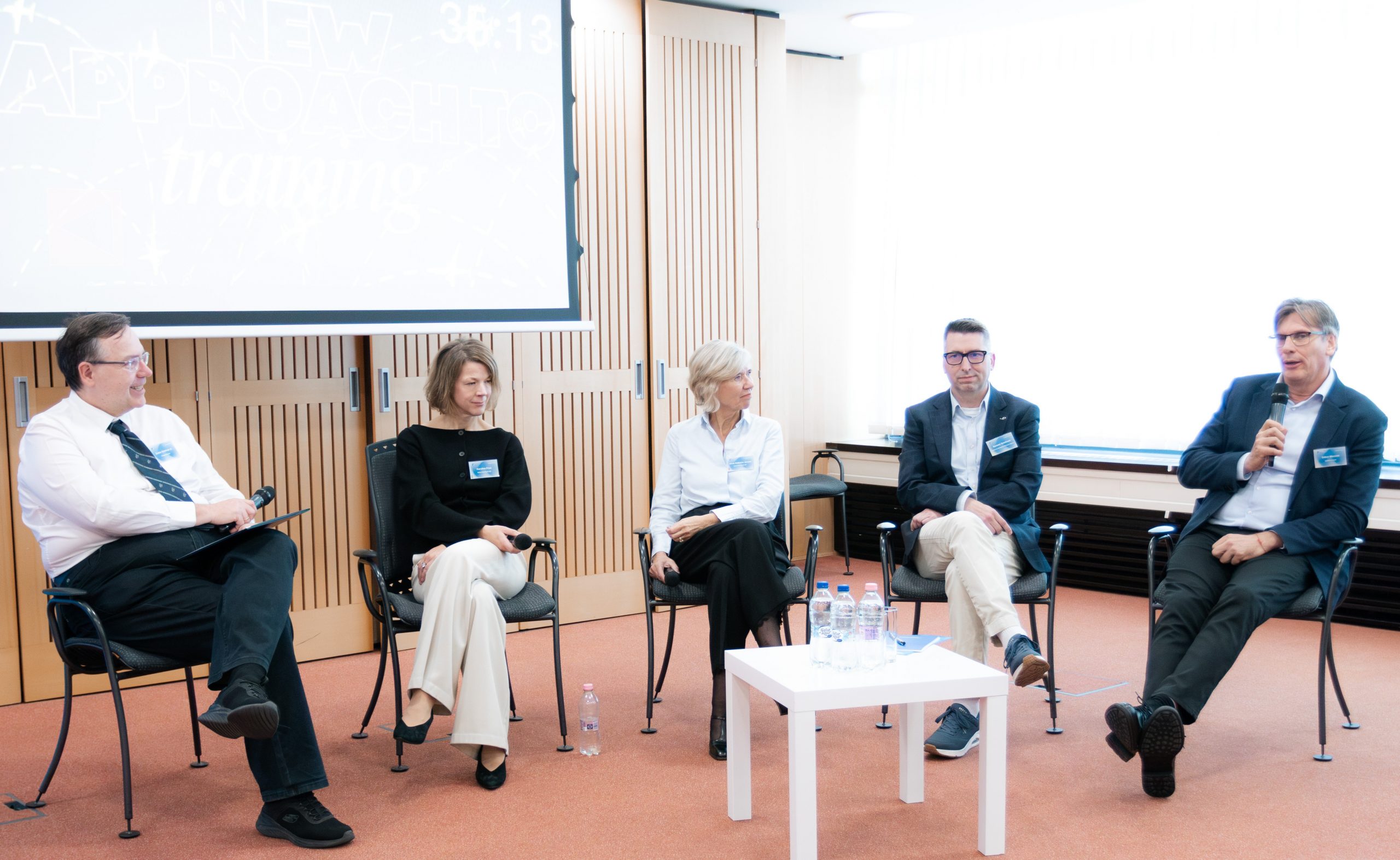
“I want to be an air traffic controller when I grow up” is probably not something you hear very often in kindergartens. One of the conference panel discussions, featuring young air traffic controllers, engineers and other aviation professionals, highlighted that this career path is rarely the result of deliberate, long-term planning. Instead, most people discover the profession through an unexpected opportunity or a chance encounter. It is often a visit to the operations room, or a successfully completed FEAST selection test, that leads people to realise they have found a profession that offers intellectual challenges, continuous development opportunities and a strong sense of community.
The panellists and the young professionals who contributed via video messages shared a common view: the profession’s greatest attractions are its competitive compensation package, a shift system that offers significantly more flexibility and free time than many other occupations, and the fact that work truly ends when the shift is over, as the tasks of an air traffic controller cannot be “taken home”.
Several participants also emphasized that, although the training process is exceptionally intensive and demanding, it builds confidence for future operational work. Those who successfully complete their licensing or qualifying examinations can look forward to secure employment opportunities.
Another important advantage is the supportive professional community, where experienced colleagues mentor newcomers, and performance is recognised regardless of age. As one young foreign air traffic controller put it in a video message: “Most of my colleagues have been working as controllers longer than I have been alive, but we all completed the same training and passed the same examinations. That means they trust me regardless of my age and treat me as an equal member of the team.”
Without a Broader Talent Pool, There Will Not Be Enough Professionals
One of the industry’s most significant challenges in the coming years will be ensuring an adequate supply of qualified employees. Speakers highlighted that the global aviation sector will require approximately 1.5 million new aviation professionals by 2034, including 71 thousand new air traffic controllers.
As a result, talent attraction can no longer be limited to traditional target groups. Conference participants agreed that organisations must consciously reach out to groups that have historically been underrepresented. The message was simple: air traffic control is not a profession exclusively for men. The more women and candidates from diverse social, cultural and professional backgrounds are encouraged to apply, the wider the pool from which the most suitable candidates can be selected.
A central message of the diversity-focused presentations and the panel discussion was that diversity is not primarily a communications or social policy issue. Rather, it is a business and operational advantage. Employees with different backgrounds, experiences and perspectives strengthen innovation, improve decision-making, create a more resilient talent pipeline and increase employee engagement.
At the same time, speakers emphasised that broader recruitment does not mean lowering professional standards. Selection must continue to be based solely on suitability, with the objective simply being to attract applicants from the widest possible range of backgrounds.
Building a Truly Diverse and Inclusive Workplace
The conference featured two noteworthy examples of how diversity and inclusion can be embedded into organisational culture in practice. Both the United Kingdom’s NATS, and NAV CANADA have made diversity a strategic priority, although they pursue this goal through different approaches.
NATS places significant emphasis on regularly measuring and analysing diversity-related data, while also ensuring that different employee groups have a genuine voice in organisational decision-making. As part of this effort, the company operates six Employee Resource Groups that regularly provide input on new policies and strategies. These groups also receive dedicated annual budgets to organise their own community-building initiatives and professional events.
NAV CANADA, by contrast, focuses on making diversity an integral part of its organisational structure. Detailed policies and thoroughly documented processes support its diversity objectives. The strategic importance of the topic is reflected by the fact that the company’s Diversity Council is chaired by the CEO, while dedicated national and regional bodies work to strengthen an inclusive workplace culture.
The Future of HR and the Human Factor
Growing traffic volumes, increasing operational complexity, lengthy and costly training programmes, and the fact that relatively few previous professional experiences can be directly transferred into air traffic control all contribute to making talent attraction and retention strategic priorities for the industry.
Data-driven and AI-supported approaches are becoming increasingly important in HR strategy. Speakers shared several examples of how predictive models can support workforce planning. Such models can help organisations anticipate the consequences of failing to recruit enough employees in time, or not adequately preparing for expected retirements and traffic growth.
Clear career pathways are another essential component of effective workforce planning. Younger generations are increasingly focused on opportunities for development and advancement, meaning that organisations must offer not only entry points, but also long-term career prospects. This applies equally to air traffic controllers and ATSEP professionals working in technical roles.
HR as a Safety Net

Perhaps the conference’s strongest message was that, despite rapid technological advancements, aviation safety and efficiency continue to depend on people’s expertise, preparedness and judgement. HR’s role is therefore increasingly to identify risks at an early stage, support employees through change, and create a safe and predictable environment that contributes both to organisational stability and employee well-being.
As Ferenc Turi, CEO of HungaroControl, stated in his closing remarks: “The HR organisation of the future must function as a kind of safety net, providing security for individuals, while simultaneously strengthening organisational resilience.”
Although the conference officially concluded on its second day, the exchange of ideas continued. On the third day, HR professionals gathered once again for the annual meeting of the CANSO Global HR Working Group, where they discussed how to support one another and collaborate on addressing the challenges facing ANSPs worldwide.
